

What Happened in the KelpDAO Exploit?
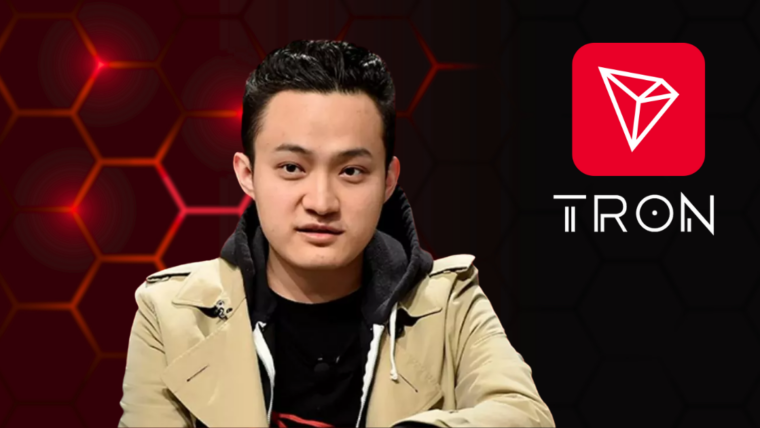
Tron founder Justin Sun has called on the attacker behind the KelpDAO bridge exploit to negotiate the return of stolen funds, following what is now the largest decentralized finance exploit of 2026. The incident saw 116,500 rsETH drained from KelpDAO’s cross-chain bridge on April 18.
The breach exploited a vulnerability in KelpDAO’s LayerZero-powered bridge, allowing the attacker to forge cross-chain messages and release rsETH without corresponding token burns. This effectively created unbacked assets that were subsequently introduced into the broader DeFi ecosystem.
The attacker deposited the stolen rsETH into Aave V3 as collateral and borrowed large volumes of Wrapped Ether against it. Because the collateral was no longer backed, the positions became unliquidatable, leaving Aave exposed to more than $236 million in bad debt.
Aave responded by freezing rsETH markets across both V3 and V4 within hours. Aave founder Stani Kulechov confirmed that the exploit did not originate from Aave’s own smart contracts.
Why Is Justin Sun Intervening?
Justin Sun moved quickly to reduce his exposure to Aave following the exploit. On-chain data shows he withdrew 65,584 ETH, worth roughly $154 million, from the platform and redeployed funds into Spark.
His total exposure on Aave has since dropped to around $380 million, while his holdings across Sky and Spark have increased to approximately $2.13 billion. The repositioning reflects a broader effort to manage counterparty risk as the impact of the exploit spread across lending markets.
In a public appeal, Sun directly addressed the attacker, writing: “OK — Kelpdao hacker, how much you want? Let’s just talk. With KelpDAO’s help, of course. It’s simply not worth it to sacrifice both Aave and KelpDAO and let them go down over this hack.”
The intervention signals the scale of systemic risk tied to the exploit, with large stakeholders attempting to contain fallout through negotiation rather than relying solely on protocol-level responses.
Investor Takeaway
How Did the Exploit Impact Aave?
The use of unbacked rsETH as collateral created a structural issue within Aave’s lending pools. As the borrowed assets could not be recovered through liquidation, the protocol was left holding bad debt.
This scenario highlights a core vulnerability in DeFi composability, where assets originating from external protocols can introduce risk into otherwise secure systems. Even though Aave’s contracts were not compromised, its integration with KelpDAO exposed it to downstream consequences.
The rapid freezing of affected markets limited further damage, but the incident underscores the difficulty of managing collateral quality in an interconnected ecosystem.
Investor Takeaway
What Does This Mean for Cross-Chain Security?
The exploit has renewed focus on the security of cross-chain bridges, a persistent weak point in the DeFi stack. Interoperability protocol Axelar responded by calling for stronger industry standards, particularly around validator configurations.
Axelar pointed to KelpDAO’s use of a single-validator setup as a potential contributing factor, noting that more robust multi-validator architectures could reduce the likelihood of similar attacks. The incident reinforces concerns that bridge design remains one of the highest-risk areas in decentralized infrastructure.
As cross-chain activity continues to expand, pressure is likely to increase on protocols to adopt stricter validation mechanisms and improve monitoring of asset issuance across networks.
