

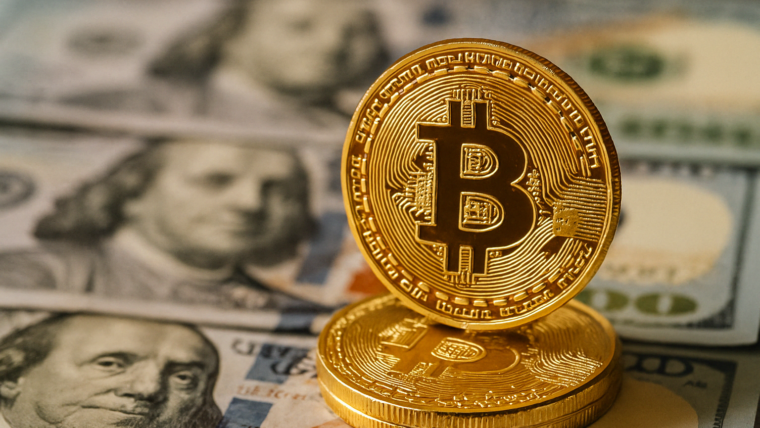
Bitcoin experienced a sharp price reversal on April 20, 2026, falling below the $74,000 threshold briefly as renewed geopolitical tensions in the Persian Gulf triggered a wave of risk-off sentiment across global financial markets. The leading cryptocurrency had previously demonstrated significant momentum, rallying to a peak near $78,300 late last week on optimism regarding a temporary ceasefire and the potential reopening of vital shipping lanes. However, this recovery proved fragile, as diplomatic efforts between the United States and Iran faltered over the weekend, leading to a rapid deterioration in market confidence. The sudden shift in sentiment effectively halted the momentum that had briefly pushed Bitcoin to its highest levels since early February, as traders quickly reassessed the impact of regional conflict on both digital assets and traditional safe-haven instruments.
Escalation of Conflict in the Persian Gulf
The primary catalyst for the current market pullback is the complete closure of the Strait of Hormuz, an event that has sent shockwaves through energy and financial markets globally. On April 18, 2026, the naval arm of the Islamic Revolutionary Guard Corps announced the closure of this critical maritime artery, citing grievances over a persistent U.S. blockade of Iranian ports and vessels. Tensions escalated further on Sunday when reports confirmed a direct military engagement, with the U.S. seizing an Iranian cargo vessel and subsequent retaliatory strikes by Iranian drones against U.S. warships in the Gulf of Oman. These developments have effectively nullified the optimism generated by the previous two-week ceasefire agreement, which is now set to expire on April 22 without a clear path forward for further negotiations. The risk of sustained conflict in the region has caused oil prices to surge, fueling inflation anxieties and forcing investors to move capital toward established safe-haven assets such as gold.
Market Liquidation and Shift in Sentiment
The broader cryptocurrency market has mirrored this shift in investor behavior, with the total market capitalization dropping toward $2.4 trillion as altcoins also suffered significant losses. The rapid decline in Bitcoin’s price resulted in substantial liquidations across the derivatives market, where approximately $237 million in long positions were wiped out within a 24-hour window. This intense selling pressure has driven the Fear & Greed Index into the “Extreme Fear” territory, a signal that typically indicates an environment of heightened caution among retail and institutional participants alike. Despite the immediate bearish reaction, some analysts point to resilient institutional demand, noting that Bitcoin spot ETFs have continued to record inflows, which may provide a measure of support as the market navigates the uncertainty of the upcoming ceasefire deadline. Nevertheless, with negative funding rates and elevated open interest, the market remains highly sensitive to any further news regarding the potential resumption of full-scale conflict, leaving traders to wait for more definitive signals before establishing new long-term positions.
