

What Did the FTC Order Against Mashinsky Include?
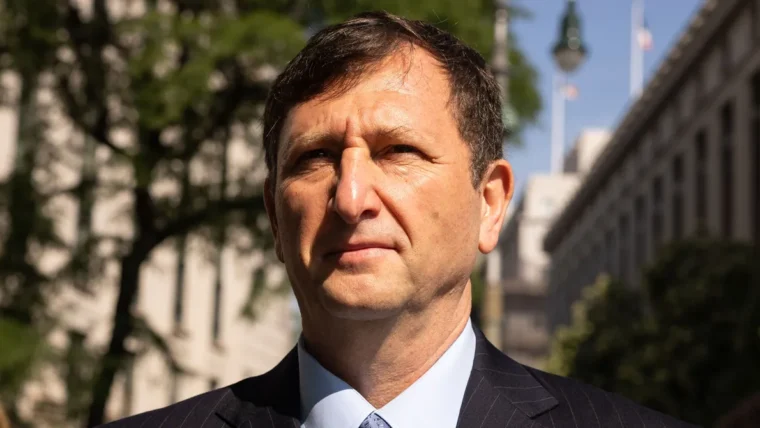
The Federal Trade Commission has entered a $4.7 billion judgment against former Celsius CEO Alex Mashinsky, tied to investor losses from the 2022 collapse of the crypto lending platform.
The order, filed in the US District Court for the Southern District of New York, also permanently bars Mashinsky from participating in the crypto and financial services industries. The ban covers advertising, marketing, promoting, offering, or distributing any product involving the deposit, exchange, or investment of assets.
While the headline figure reflects the scale of losses, most of the judgment has been suspended. Mashinsky is required to pay $10 million unless it is later determined that he failed to disclose assets or misrepresented his financial condition.
Why Was Mashinsky Held Liable?
The FTC alleged that Mashinsky and other Celsius executives engaged in deceptive and unfair practices in promoting the platform’s lending and custody services. The complaint focused on how Celsius marketed yield-generating products and presented risk to users.
The judgment extends liability tied to Celsius’ bankruptcy directly to Mashinsky, reinforcing regulatory efforts to hold executives personally accountable for platform failures and misrepresentations.
In addition to financial penalties, the order imposes reporting and record-keeping requirements on Mashinsky for up to 18 years, increasing long-term oversight of his financial activities.
Investor Takeaway
How Does This Connect to the Broader Celsius Collapse?
Mashinsky is currently serving a 12-year prison sentence after pleading guilty in December 2024 to commodities fraud and a scheme to manipulate the price of Celsius’ CEL token. The criminal case runs parallel to the FTC’s civil enforcement action.
At sentencing, prosecutors described the case as one of the largest frauds in the crypto sector, while the court noted that many victims suffered severe financial and psychological harm.
The FTC’s judgment adds another layer of accountability, linking civil penalties directly to the scale of losses incurred during the platform’s collapse.
Investor Takeaway
What Does This Mean for Crypto Regulation Going Forward?
The case highlights a shift in regulatory focus toward executive accountability and stricter oversight of crypto lending and custody services. Authorities are placing greater emphasis on how products are marketed and how risks are communicated to users.
The long-term reporting requirements and industry ban imposed on Mashinsky indicate that regulators are building frameworks that extend beyond immediate penalties, aiming to prevent repeat activity and reinforce compliance expectations across the sector.
For the industry, the outcome reinforces that enforcement risk is no longer limited to corporate entities. Individual leadership decisions are now directly tied to legal and financial consequences.
