

Why Are Lawmakers Challenging the 401(k) Proposal?
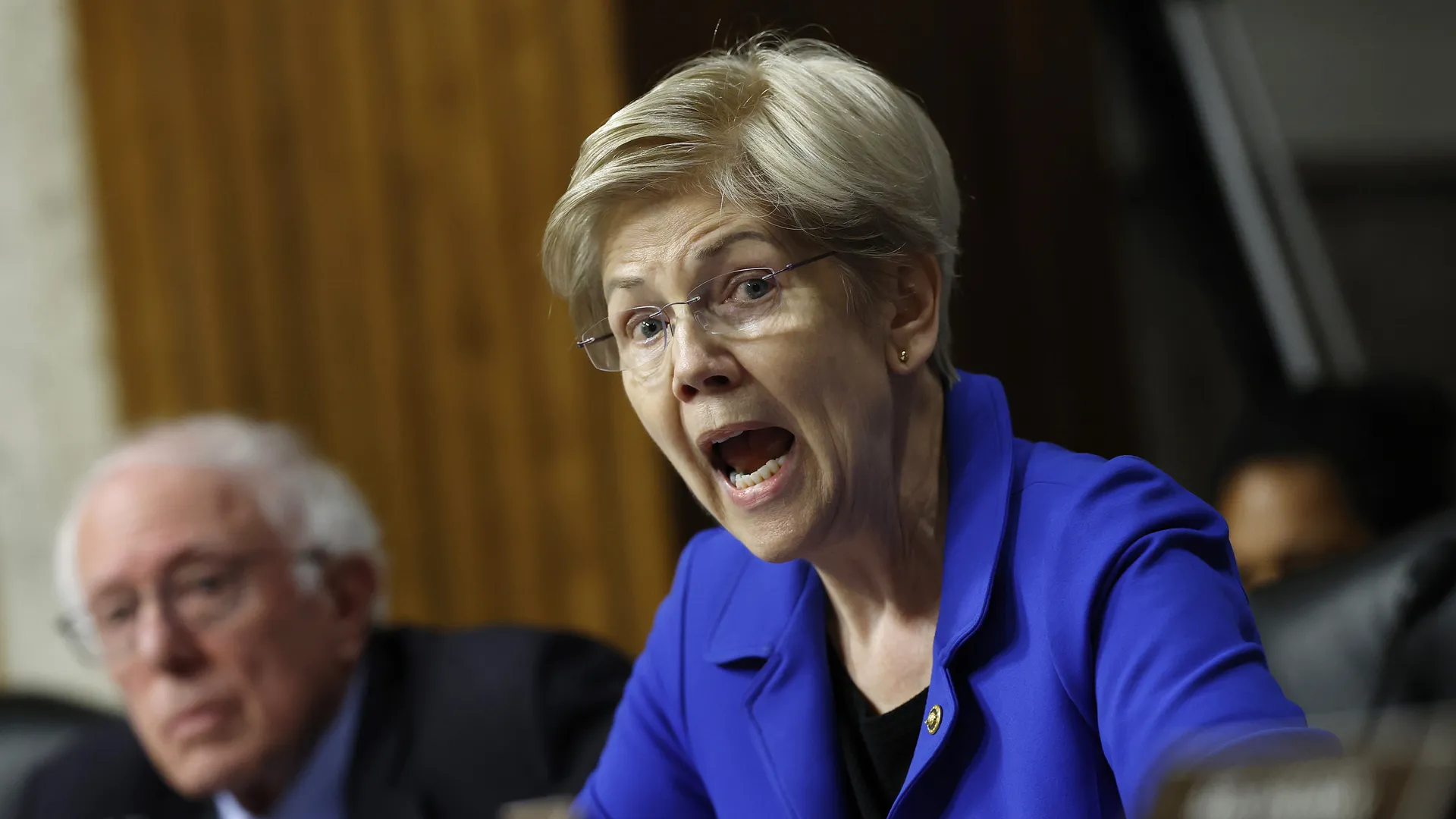
Sen. Bernie Sanders, Sen. Elizabeth Warren, and Rep. Robert Scott are pressing the Department of Labor to reject a proposed rule that would make it easier for 401(k) retirement plans to include alternative assets, including cryptocurrencies.
In a June 1 letter to Acting Secretary of Labor Keith Sonderling, the lawmakers warned that the proposal would expose retirement savers to riskier, more complex, and more expensive products. Their criticism focuses on the rule’s proposed safe harbor for fiduciaries that offer alternative investments inside retirement plans.
“The proposed rule would establish a so-called safe harbor for fiduciaries who offer alternative investments in retirement plans,” the lawmakers wrote. “This would strip long-held investor protections from retirement savers and encourage the use of more risky, complex, and expensive investments.”
The proposal, unveiled in March, outlines steps 401(k) plan managers should take when considering private equity, real estate, digital assets, and other alternative investments. It followed an executive order from President Donald Trump directing the agency to clear a path for alternative assets inside retirement plans.
Why Does Crypto Make the Rule More Controversial?
The lawmakers’ objections cover several categories of alternative assets, but digital assets give the proposal a sharper political and investor-protection edge. Crypto markets remain highly volatile, and retirement plans are built around long-term savings, fiduciary duty, and broad worker access rather than speculative trading.
In their letter, the lawmakers pointed to the price history of Trump’s memecoin as an example of crypto volatility. The token rose to an all-time high above $73 before falling closer to $2 as of Tuesday. Their argument is that products with that kind of price behavior are difficult to justify inside retirement accounts used by ordinary workers.
The concern is not only asset volatility. Crypto fraud remains a major part of the policy debate. The lawmakers cited a Federal Bureau of Investigation report showing crypto-linked fraud losses reached more than $11 billion in 2025, a record high. That figure adds pressure on regulators considering whether digital assets should be made more accessible through workplace retirement plans.
For plan sponsors, the issue is practical. Even if crypto exposure is optional, fiduciaries could face lawsuits or regulatory scrutiny if workers suffer losses and later argue that the risks were not properly reviewed, priced, disclosed, or monitored.
Investor Takeaway
The 401(k) proposal would not automatically put crypto into every retirement plan. It would make it easier for fiduciaries to consider alternative assets. That distinction matters, but the political fight is already centered on whether retirement accounts should be exposed to products with high volatility, weak transparency, and fraud risk.
What Would the Safe Harbor Change?
The proposed safe harbor is the key legal issue. A safe harbor can reduce liability risk for fiduciaries if they follow required steps when selecting and monitoring investments. Supporters of alternative assets often argue that such rules can give plan managers clearer guidance and expand access to asset classes that have historically been available mostly to institutions and wealthy investors.
The lawmakers see the same mechanism differently. Their concern is that a safe harbor could lower the practical barrier for including products that workers may not fully understand and that may carry higher fees, limited liquidity, and less transparent pricing than traditional public-market funds.
That concern applies beyond crypto. Private equity and real estate can also involve valuation gaps, lockups, leverage, and complex fee structures. But crypto adds another layer because digital asset markets can trade around the clock, move sharply on sentiment, and remain exposed to cybersecurity failures, scams, and uneven market supervision.
The rule therefore sits at the center of a larger retirement-policy question: whether 401(k) plans should broaden access to alternative assets or preserve a more conservative investment framework focused on diversified public-market funds.
Why Are Conflicts of Interest Part of the Debate?
The lawmakers also raised concerns about potential conflicts of interest tied to the Trump family’s crypto activity. They cited reporting that the family had amassed $5 billion in paper wealth after the launch of the World Liberty Financial token in 2025.
“In the midst of these egregious conflicts, the DOL’s proposed rule has the potential to boost the President’s bottom line at the expense of ordinary workers and retirees,” the lawmakers wrote. “How can the American people trust regulations proposed by an Administration that conceivably stands to profit from them?”
That argument makes the rule more than a technical retirement-plan dispute. It links the Department of Labor’s proposal to the broader debate over crypto policy, political influence, and whether federal agencies are loosening rules in ways that could benefit politically connected digital asset businesses.
For crypto firms, the stakes are high. Access to 401(k) plans would open a massive pool of retirement capital, even if allocations begin small. For asset managers, it could create demand for regulated crypto products designed for retirement platforms. For plan fiduciaries, it would also increase the burden of explaining why such exposure belongs in a workplace savings plan.
The Department of Labor now faces a decision with both market and political consequences. Approving the rule could expand the role of alternative assets in retirement investing. Rejecting or narrowing it would show that investor-protection concerns remain a barrier to bringing crypto and other complex assets deeper into the retirement system.
