

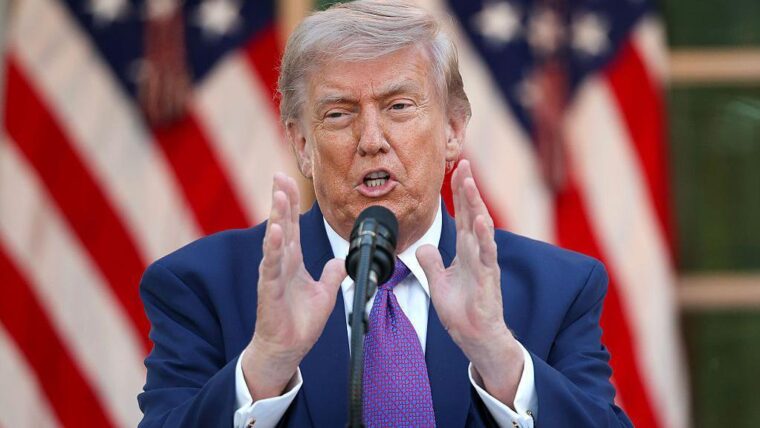
The financial architecture of the United States is undergoing a historic, comprehensive realignment following an executive order designed to systematically dismantle the long-standing regulatory barriers separating digital assets from the traditional banking system. Signed by President Donald Trump under the directive titled “Integrating Financial Technology Innovation into Regulatory Frameworks,” the sweeping policy explicitly instructs federal oversight bodies to modernize legacy banking codes to accommodate digital currencies and blockchain-based settlement rails. The administration stated that existing financial guidelines act as protective relics for entrenched legacy institutions while freezing out technological innovation. By forcing a comprehensive auditing timeline across independent oversight bodies, the executive action aims to establish the United States as the uncontested global epicenter of digital asset development, systematically driving down commercial processing fees, expanding consumer choices, and accelerating domestic capital velocity.
Targeting Central Bank Gatekeepers to Expand Access to Direct Sovereign Payment Rails
The primary operational focus of the new executive directive lands squarely on the Federal Reserve Board and its historically absolute control over core domestic dollar settlement channels. The order mandates that the central bank complete a rigorous, comprehensive evaluation regarding how non-bank financial technology entities and digital asset enterprises can legally obtain direct access to Federal Reserve master accounts. Securing these accounts—the foundational gateway to high-value wholesale networks like Fedwire—has traditionally required digital asset platforms to endure exhausting, multi-year pathways to secure traditional commercial banking charters or rely on expensive, restrictive partners. By instructing the central bank to formulate explicit options for extending specialized or limited-purpose master accounts to crypto firms, the state is attempting to connect alternative ledger infrastructure directly to sovereign clearing rails, completely bypassing the expensive private intermediary commercial banks that have historically throttled digital asset treasury operations.
Dismantling Regulatory Hurdles and Clarifying Regional Decentralization Powers
Beyond targeting central bank access, the presidential directive initiates an aggressive ninety-day administrative audit across the broader financial regulatory spectrum, including the Office of the Comptroller of the Currency and the Securities and Exchange Commission. Agency heads are legally obligated to review and amend existing supervisory guidance, restrictive enforcement orders, and historical non-action letters that currently impede traditional commercial banks from forming direct operational partnerships with licensed crypto firms. Furthermore, the executive order injects an intriguing geopolitical dynamic into the central banking structure by demanding explicit clarification on whether the twelve regional Federal Reserve banks hold the independent statutory authority to approve master accounts without board approval from Washington. This deliberate structural challenge arrives just weeks after the Kansas City Fed independently granted a landmark limited-purpose payment account to a digital asset exchange parent company, proving that the administration is eager to utilize regional decentralization to permanently force the integration of digital assets.
