

Why Did Gemini Shares Rally After Another Quarterly Loss?
Gemini Space Station shares surged in premarket trading on Friday after the cryptocurrency exchange reported a smaller-than-expected quarterly loss and secured a $100 million investment from its founders through Winklevoss Capital Fund.
The rally came despite another heavy loss for the New York-based company. Gemini reported a first-quarter net loss of $109 million, or 93 cents a share, for the 3 months ended March 31. Revenue rose 42% from a year earlier to $50.3 million, helped by growth in services and over-the-counter platform revenue.
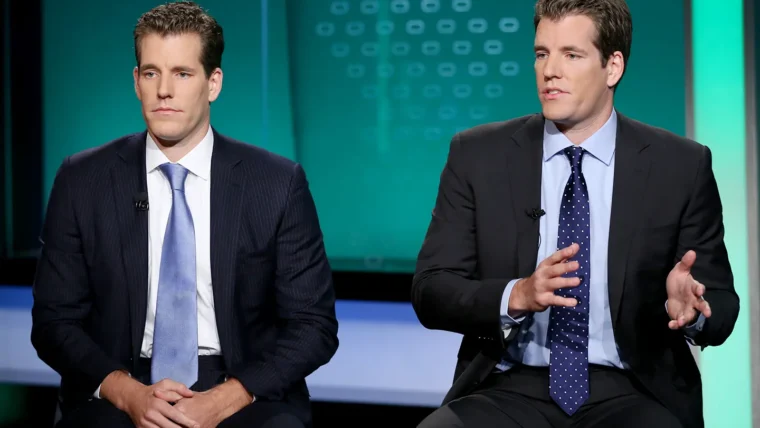
The market reaction centered less on profitability and more on liquidity, founder support, and the possibility that restructuring could reduce future losses. The $100 million investment was announced late Thursday and was made by Winklevoss Capital Fund at $14 per share, with payment in bitcoin. The fund is owned by Cameron and Tyler Winklevoss and serves as their family office and main vehicle for venture capital and crypto investments.
Gemini’s shares were priced at $28 in their IPO but had fallen sharply since listing, closing at $5.26 on Thursday. The premarket jump of more than 20% reflected relief after results came in better than some loss expectations and after the founders put fresh capital into the business at a large premium to the prior close.
What Do the Results Say About Gemini’s Core Business?
Gemini’s revenue growth showed that parts of the business are still expanding, but the company remains far from breakeven. The first-quarter loss narrowed from $149.3 million a year earlier, but expenses continued to rise faster than revenue.
Operating expenses increased 73% year over year to $144.5 million. Compensation costs rose 91%, including $6.5 million in severance tied to recent layoffs. Sales and marketing expenses doubled to $19.1 million, adding pressure to margins while the company continues to reposition itself after going public.
The company has also been carrying the cost of a wider strategic reset. Gemini reported a $159.5 million net loss in the third quarter of last year and a $283 million loss for the first half of that year. The first-quarter update showed improvement from the prior-year period, but not enough to remove questions about the company’s path to profitability.
Analysts remain cautious because the core metrics have not yet matched the expectations that surrounded the IPO. Evercore analyst Adam Frisch said, “Were it not for the founders’ $100 million strategic investment, we think Gemini would likely be down on the print as key metrics like user and revenue reacceleration fell well short of pre-IPO expectations.”
Investor Takeaway
The share rally reflects relief and founder backing, not a clean earnings beat. Gemini still needs to prove that revenue growth, cost cuts, and its US-focused strategy can reduce losses without weakening its competitive position.
How Is Gemini Reshaping Its Business?
Gemini has moved aggressively to cut costs and narrow its focus. In February, the company said it would reduce its workforce by about 25%, wind down most of its international operations, and exit the U.K., European Union, and Australia. The company also parted ways with its chief operating, financial, and legal officers. Danijela Stojanovic has served as interim finance chief since then.
The restructuring points to a business now focused more heavily on the US market, prediction markets, and regulated derivatives. Gemini secured Commodity Futures Trading Commission approval in April for a derivatives clearing organization license, allowing it to move into regulated derivatives clearing and compete in one of the most active areas of crypto market structure.
That strategy could open a larger revenue base, but it also brings higher execution risk. Prediction markets and crypto derivatives are crowded, politically sensitive, and capital intensive. Gemini will need to build liquidity, compliance systems, and institutional trust while also cutting expenses after a period of heavy losses.
Frisch said Gemini has not yet provided revenue guidance, leaving investors with limited visibility into its push into predictions and derivatives. That missing guidance is important because the company’s valuation now depends on whether new business lines can offset weaker legacy growth and high operating costs.
What Are the Main Risks After the Founder Investment?
The $100 million investment gives Gemini more runway, but it does not remove the company’s legal and operating risks. Gemini and founders Cameron and Tyler Winklevoss face a shareholder lawsuit alleging investors were misled about the firm’s business prospects. The complaint links the stock decline to a strategy shift, layoffs, and executive departures.
CEO Tyler Winklevoss said the market has “significantly undervalued Gemini.” Investors now have to decide whether the stock’s collapse since the IPO created a recovery opportunity or whether the company is still too early in a costly restructuring.
The near-term case for Gemini rests on 3 factors: whether layoffs reduce the expense base, whether the founder investment improves confidence, and whether derivatives and prediction markets can create a stronger growth engine. The risk is that the company continues to spend heavily before those businesses mature.
