

Why Is Senator Warren Challenging Meta’s Stablecoin Strategy?
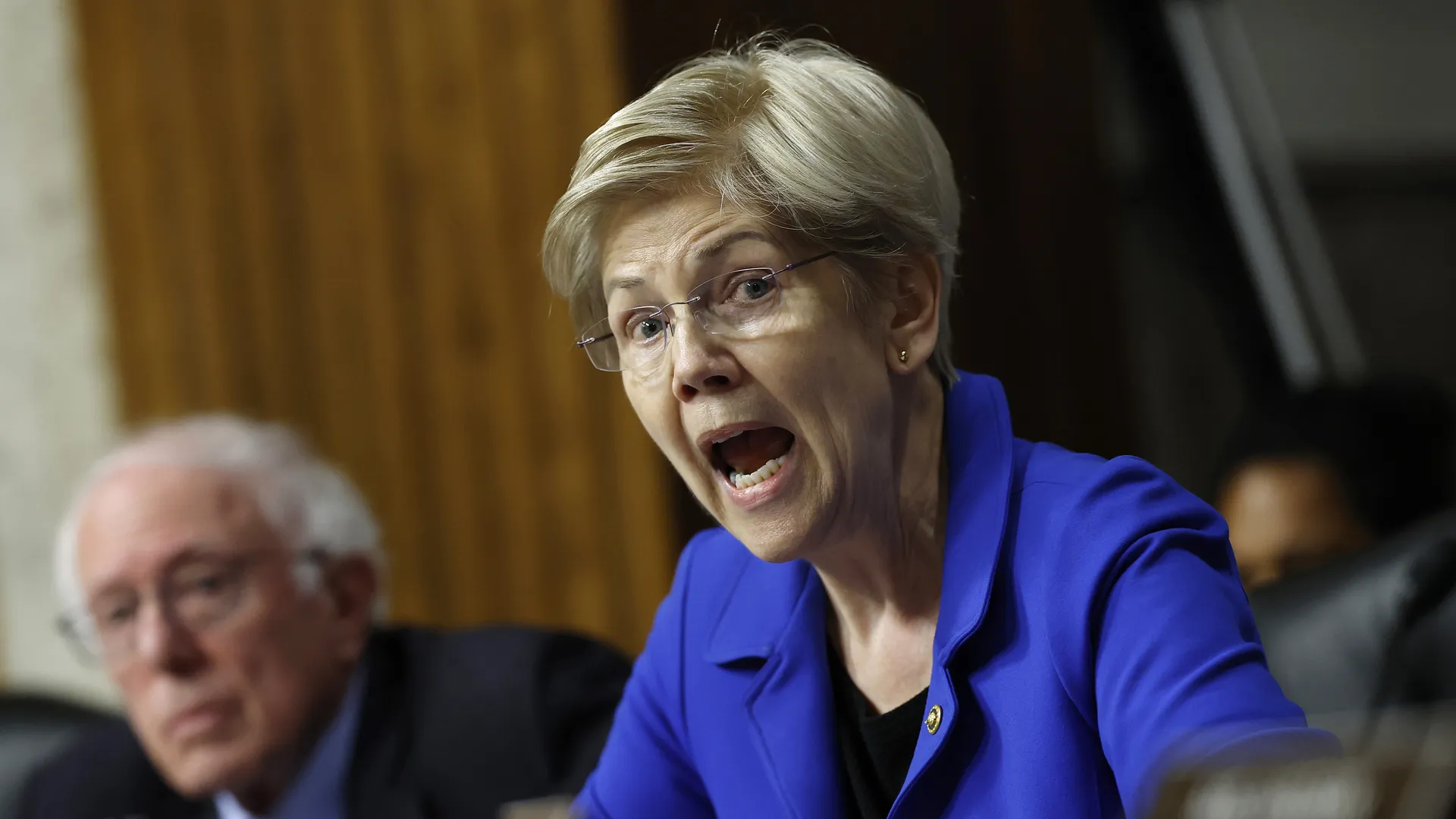
Senator Elizabeth Warren has requested detailed disclosures from Meta regarding its reported plans to integrate a third-party stablecoin into its platforms by the second half of 2026. In a letter to CEO Mark Zuckerberg, she raised concerns about the potential impact on financial stability, competition, and user privacy across Meta’s global user base.
The inquiry follows reports that Meta is conducting a limited trial involving a third-party stablecoin ahead of a broader rollout. Warren framed the initiative as a continuation of the company’s earlier attempt to launch Libra in 2019, which faced strong opposition from regulators and lawmakers.
She warned that integrating payments at scale could allow Meta to extend its reach into financial services while leveraging existing user data, raising concerns about market concentration and systemic risk.
What Risks Is the Senate Banking Committee Highlighting?
The letter outlines multiple areas of concern, including whether Meta could influence or favor a specific stablecoin across its platforms. Such control, Warren argued, could affect payment system integrity and distort competition by directing user activity toward selected providers.
She also pointed to potential financial stability risks, noting that large-scale adoption within a 3.5 billion-user ecosystem could create stress scenarios if confidence in a stablecoin weakens. The letter draws parallels to earlier concerns around private digital currencies operating at systemic scale.
Privacy is another focal point. Warren criticized Meta’s track record in handling user data and warned that integrating payment systems could expand the company’s ability to collect and monetize transaction-level information.
“It is critical that Meta be transparent with Congress and the public regarding its stablecoin-related plans,” Warren wrote in the letter.
Investor Takeaway
What Information Is Warren Requesting From Meta?
Warren asked Zuckerberg to respond to seven detailed questions by May 20, focusing on the structure and scope of the trial, as well as long-term plans for stablecoin integration.
Key questions include whether Meta intends to modify its MetaPay wallet to support direct stablecoin balances, which third-party issuers are under consideration, and whether any profit-sharing or transaction-based arrangements are in place.
The Senator also requested details on risk management controls, including how a stablecoin would scale if made available to billions of users, and what safeguards would be implemented to address illicit finance and data protection concerns.
Another key point is whether Meta plans to prioritize one stablecoin over others or commit to avoiding the launch of its own private currency in the future.
Investor Takeaway
How Does This Fit Into Broader Stablecoin Adoption?
The pushback comes as stablecoins expand beyond trading into everyday financial use. Recent data shows that 54% of crypto users held stablecoins over the past year, with a growing share of savings allocated to digital assets.
Total dollar-pegged stablecoin supply has surpassed $303 billion, led by Tether’s USDT and Circle’s USDC. Growth is increasingly tied to payments, remittances, and platform-based financial services rather than speculative activity.
Some industry participants view large-scale integrations by companies like Meta as a potential driver of adoption. Pilot programs tied to gig economy payments and global micropayments are seen as pathways to scaling stablecoin usage beyond crypto-native platforms.
At the same time, the regulatory response suggests that expansion into consumer-facing financial infrastructure will be closely monitored, particularly when driven by companies with large existing user networks.
