

What Is the CFTC Trying to Codify?
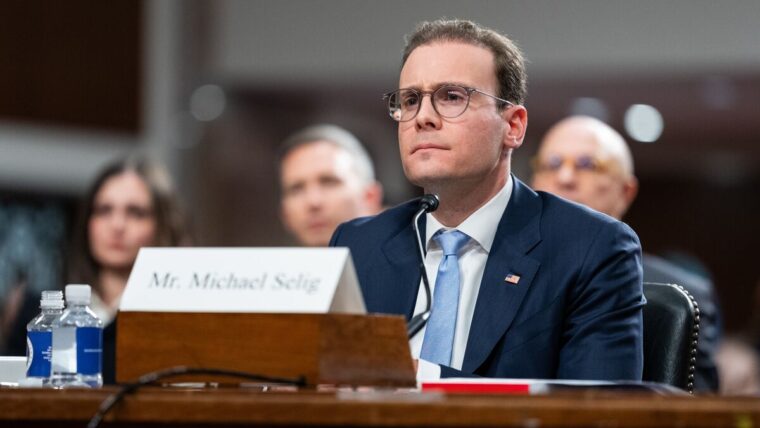
The Commodity Futures Trading Commission is considering rulemaking to clarify when crypto software developers must register as brokers, as Chair Michael Selig seeks to turn recent agency guidance into formal rules.
The focus is on non-custodial software developers, particularly firms offering self-custodial wallet tools that do not take control of customer assets. In March, the CFTC issued a no-action letter stating that it would not recommend enforcement action against crypto wallet provider Phantom for failing to register as a broker.
The agency said developers that meet certain conditions and provide self-custodial wallet software are not required to register as brokers. Selig now wants that approach written into rules, giving firms a clearer legal basis to build and offer products in the US.
Why Does This Matter for Crypto Developers?
Broker registration has been one of the most important legal questions for crypto wallet and DeFi interface providers. If software developers are treated as brokers, they could face compliance requirements designed for intermediaries that handle customer orders or assets.
For non-custodial wallet developers, the distinction is critical. Their products allow users to control private keys and interact with protocols directly, rather than placing assets with a third party. Treating these firms as brokers could raise costs, reduce product availability, and limit US access to self-custody tools.
“As I said before, I prefer rulemaking, and so we’re going to work to codify that and get it in rules very soon,” Selig said at Consensus Miami. “But as a start, it’s kind of a crawl, walk, run. We want to get some clear guidance out there to help these firms start to develop and offer their software in the U.S.”
Investor Takeaway
How Does the SEC Fit Into the Software Developer Debate?
The CFTC’s plan follows a similar move by the Securities and Exchange Commission. Last month, the SEC’s Division of Trading and Markets released a staff statement saying interfaces such as DeFi wallets generally would not be considered brokers.
The SEC described the statement as an interim step while broader regulatory questions remain under review. Together, the CFTC and SEC actions show a more defined federal approach to software developers, even as many other areas of crypto regulation remain unsettled.
The practical effect is that wallet providers and interface developers may gain more room to operate if they do not custody assets, execute trades as intermediaries, or control user funds. The remaining question is how final rules define the conditions developers must meet to avoid registration.
Investor Takeaway
Why Is the CFTC Also Fighting States Over Prediction Markets?
Selig also defended the CFTC’s authority over prediction markets, saying the sector falls under the agency’s exclusive remit. Several states have challenged prediction market platforms under local gaming and gambling laws, especially for sports-related contracts.
The CFTC has sued Wisconsin, Illinois, Arizona, Connecticut, and New York over the issue. Selig said the agency will continue bringing lawsuits when state actions interfere with federal jurisdiction.
“We’ll continue to bring lawsuits whenever we see these impinge on our authority,” Selig said.
The two issues point to the same broader policy direction: the CFTC is trying to define crypto market rules through federal action rather than leaving key questions to enforcement gaps or state-by-state disputes.
