

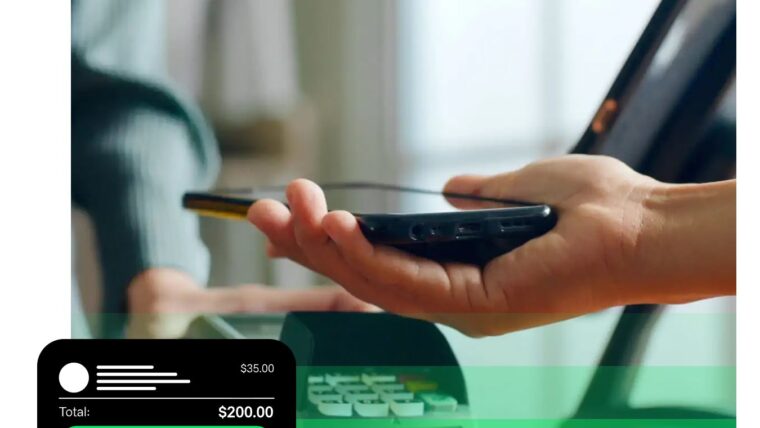
The Rise of Crypto Payments in Physical Stores
In 2026, more payment companies and merchant service providers are testing ways to bring digital asset payments into physical retail, especially for sectors that serve international customers, high-spending buyers, and digitally native audiences.
Recent reporting on the WalletConnect and Ingenico partnership described a model designed for physical retail, where customers can pay with crypto while merchants avoid the operational burden of holding digital assets directly.
This interest is growing for practical reasons. Retailers are always looking for payment options that are fast, easy for staff to handle, and attractive to customers who prefer alternatives to cards or bank transfers.
Stablecoins have also helped make crypto payments easier to understand in a retail setting because they reduce price volatility during the payment process and support a more familiar pricing experience for merchants and customers.
Chainalysis has described stablecoins as increasingly popular for practical uses such as payments and remittances, especially where users value speed and lower transfer costs.
Regulation is another reason this area is becoming more relevant. In the EU, MiCA introduced uniform rules for crypto-assets, including requirements around transparency, disclosure, authorization, and supervision.
In the UK, firms carrying out in-scope crypto services must register under the money laundering regime, and the FCA has confirmed that applications for the new UK cryptoasset regime are scheduled to open from September 30, 2026 to February 28, 2027.
For retailers, that means in-store crypto payments are becoming easier to discuss as part of a formal payment strategy rather than as an experimental feature.
What Is a Crypto POS Terminal
A crypto point-of-sale terminal is a payment tool that lets a business accept digital assets at a physical location, usually by entering the sale amount, showing a QR code to the customer, and waiting for blockchain confirmation. In simple terms, it brings the same logic as a card terminal into a crypto payment flow.
This kind of setup helps remove some of the friction that usually stops merchants from offering crypto at the counter. Staff do not need deep knowledge of wallets or blockchain mechanics. Customers use their own devices, and the merchant receives a structured payment flow through a service provider rather than trying to manage on-chain payments manually.
For retail businesses, that matters more than the technology itself. A payment method only works in-store if staff can learn it quickly, customers can complete it without confusion, and finance teams can still reconcile transactions properly after the sale.
Benefits of Accepting Crypto in Retail
One benefit is access to a wider customer base. Some shoppers already prefer to hold and spend digital assets, especially when traveling or making larger purchases. Accepting crypto gives retailers another way to serve these customers without forcing them into a traditional payment method.
Another benefit of a crypto PoS terminal is payment flexibility. Retailers can support customers who want to pay with major cryptocurrencies or stablecoins while still using fiat-based pricing and settlement rules on the merchant side.
There is also a customer experience benefit. In-store payments need to be quick and predictable, especially in busy environments such as hospitality and retail.
A crypto POS flow based on QR payment and simple cashier actions can keep checkout moving without requiring special hardware knowledge from staff.
For some businesses, especially in premium retail or international tourism, that can make crypto feel like a natural extra payment option.
How Businesses Can Start Accepting Crypto In-Store
The first step is to review the business use case. A small boutique, hotel desk, restaurant, and luxury retailer may all want crypto payments for different reasons. Some want to attract new customers. Others want to offer more payment choices to international buyers. The best setup depends on transaction size, customer profile, local rules, and whether the business wants to settle in crypto or fiat.
The next step is choosing a payment provider that supports both in-store acceptance and back-office operations.
Businesses that want a broader merchant setup can review options to accept crypto through a modern payment provider that offers tools such as invoices, merchant dashboards, crypto-to-fiat conversion, stablecoin support, and payment flows designed for B2B use.
Once the provider is in place, the business should test the in-store flow carefully. That includes staff training, payment confirmation timing, receipt handling, settlement rules, and reconciliation.
For a retail business, the value of crypto payments comes from ease of use. If the flow is simple for cashiers and clear for customers, adoption has a better chance of becoming part of daily operations.
Improving Customer Experience with Fast Payments
Retail payments succeed when they feel familiar, even when the technology behind them is new.
A crypto POS terminal can improve the customer experience by giving shoppers a quick way to pay from their own wallet without filling out long forms or relying on international card approval. The cashier enters the amount, the customer scans a QR code, and the payment moves into a structured merchant workflow.
For merchants, speed also affects staff confidence. A payment method that feels slow or uncertain at the counter is difficult to maintain. A simple POS flow helps staff treat crypto like another supported payment option, which is exactly what retail environments need.
The Future of In-Store Crypto Payments
The next phase of in-store crypto payments will likely depend on simplicity, regulation, and settlement options. Retailers need a payment option that works smoothly for the customers who already want it.
Recent market activity suggests that providers are focusing on this kind of practical adoption, especially in areas where stablecoins, mobile wallets, and merchant settlement tools can work together.
As legal frameworks become more defined in Europe and the UK, retailers will have a clearer foundation for deciding whether to add crypto at the counter. The businesses most likely to benefit are the ones that treat it as part of a wider payment strategy rather than as a novelty.
Conclusion
Crypto POS terminals are giving physical retailers a more realistic way to accept digital assets in-store. They simplify the cashier experience, support customer choice, and connect crypto payments to a payment flow that businesses can actually manage.
In 2026, that is what makes in-store crypto more useful for retail. It is becoming easier to operate, easier to explain, and easier to fit into normal payment operations.
