

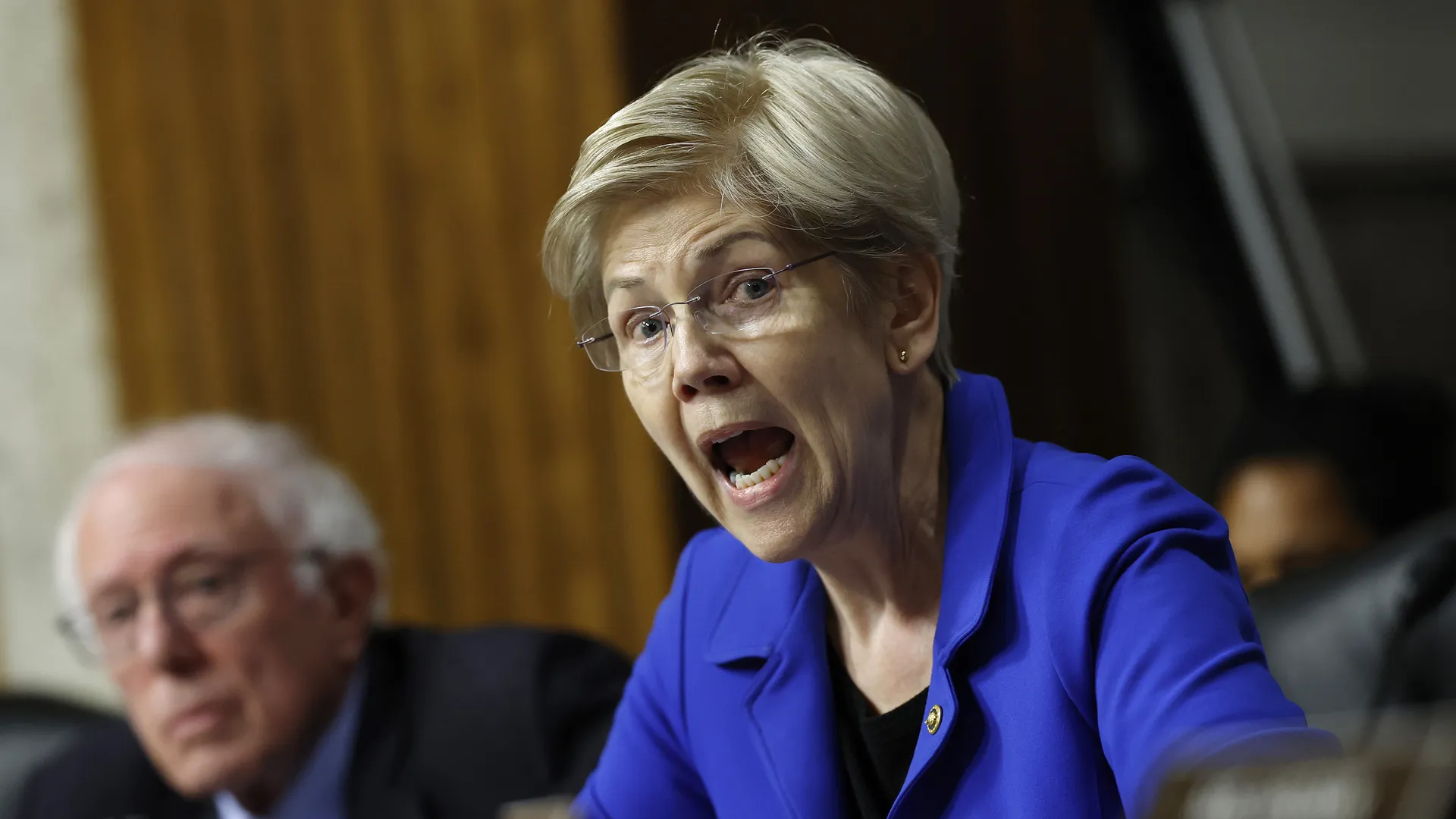
Why Is Elizabeth Warren Questioning SEC Leadership?
US Senator Elizabeth Warren has accused Securities and Exchange Commission Chair Paul Atkins of potentially misleading Congress regarding the agency’s enforcement activity, escalating scrutiny over a sharp decline in regulatory actions.
In a letter dated Wednesday, Warren, the top Democrat on the Senate Banking Committee, pointed to newly released SEC enforcement data for fiscal year 2025 as evidence contradicting Atkins’ testimony during a Feb. 12 congressional hearing.
“At the hearing, I specifically asked you to comment on publicly available data highlighting a decline in SEC enforcement activity,” Warren wrote. “In response, you demurred, stating that you were ‘not sure what data’ I was looking at.”
She added that the agency’s latest figures confirm her earlier claim. “Now, it is clear that my assertion regarding the SEC’s declining enforcement actions was correct: the data you released last week show that the number of enforcement actions initiated by the SEC was lower than at any point in the last decade,” she said.
What Do the Latest Enforcement Data Show?
The SEC’s fiscal 2025 enforcement figures, released on April 7, indicate a drop in initiated actions to levels not seen in more than a decade. Warren described the trend as a broader breakdown in regulatory oversight, citing what she called a sustained decline in enforcement activity.
“The SEC’s enforcement data was deeply disturbing,” Warren wrote, adding that the agency has “largely abdicated its enforcement responsibilities” as activity has fallen to the lowest level in more than 20 years.
The figures have intensified concerns among lawmakers about the Commission’s direction, particularly as enforcement has shifted under the current administration.
Investor Takeaway
How Does This Tie Into Crypto Enforcement Policy?
The decline in enforcement activity coincides with a broader rollback of cases against crypto companies. The SEC has settled or dismissed several lawsuits initiated under the previous administration, drawing criticism from lawmakers who argue the agency is stepping back from oversight of the digital asset sector.
This shift has implications beyond crypto. Reduced enforcement activity can affect market behavior, risk pricing, and institutional confidence, particularly in sectors where regulatory clarity remains limited.
Warren framed the issue as part of a wider pattern, suggesting the Commission’s approach reflects a change in enforcement priorities rather than a temporary fluctuation.
Investor Takeaway
What Happens Next?
Warren has requested that Atkins clarify whether he was aware of the agency’s enforcement trends at the time of his February testimony and explain the decline in activity. She set a deadline of April 28 for his response.
“In light of the data, your answers at the hearing in February were deeply troubling and raise concerns that you may have been deliberately trying to mislead the Committee about the state of SEC enforcement,” Warren wrote.
The exchange sets up a potential confrontation between lawmakers and the SEC over transparency and accountability, with enforcement policy emerging as a central issue. The outcome may influence how the agency balances regulatory oversight with market development, particularly in areas such as digital assets where policy direction remains unsettled.
