

Why Is Oobit Expanding in Latin America?
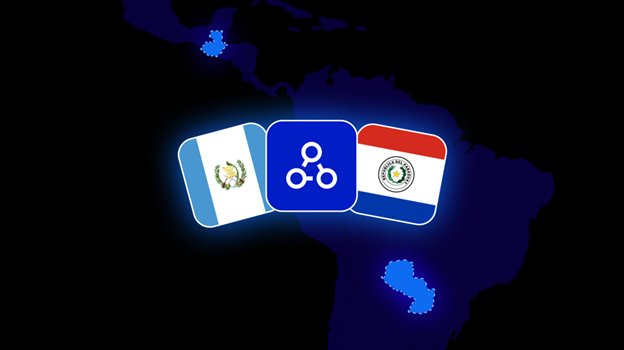
Oobit has launched its crypto card in Guatemala and Paraguay, extending its Latin America expansion as stablecoin-based payments gain more traction across the region.
The non-custodial crypto payments platform, backed by Tether, said users in both countries can now spend and send crypto at merchants that accept Visa, both online and in-store. Payments can be made directly from supported wallets, including Phantom, MetaMask, Binance, and Trust Wallet, while merchants receive settlement in local currency.
Guatemala and Paraguay are the 10th and 11th countries included in Oobit’s Latin America rollout. The company is already active in Brazil, Colombia, Bolivia, and other regional markets. The expansion follows Oobit’s May launch in Colombia and its integration of native Pix payment functionality in Brazil.
The company said the card is designed to let users keep custody of their assets rather than depositing funds with a third-party custodian before spending. That structure is central to Oobit’s pitch in markets where users may want crypto payment access without giving up direct wallet control.
How Does the Crypto Card Work?
Oobit’s card connects user wallets to Visa-accepting merchants, allowing crypto to be used for everyday purchases while the merchant receives local currency. The model reduces the need for merchants to handle crypto directly, while giving users a way to spend digital assets across existing card payment rails.
The launch also gives users in Guatemala and Paraguay access to Oobit’s OOB cashback programme. The company said 74% of swaps over the past 30 days were from USDT to OOB, while 18% were from USDC to OOB. Users who swap into OOB before spending may receive cashback of up to 10%.
Oobit also said users in both countries will be able to join the waitlist for its AI Agent Cards. The company did not provide further launch details in the announcement, but the feature adds another product layer to its regional payments strategy.
The company’s Latin America expansion has been supported by Tether, a strategic investor in Oobit. Oobit said the partnership has helped its regional growth, particularly around stablecoin-based payments.
Investor Takeaway
Oobit’s launch in Guatemala and Paraguay shows how crypto payment firms are targeting markets where stablecoins already serve practical use cases. The key commercial test is whether wallet-based spending can move beyond crypto-native users and become part of routine retail payments.
What Do Oobit’s Spending Figures Show?
Oobit cited internal platform data showing higher use of crypto for everyday spending across Latin America. Average monthly spend per user reached $1,168 in June, while daily average spend per user rose from about $80 in March to about $200 in June. On peak days, daily average spend exceeded $480.
The company said spending activity was concentrated in categories including groceries, restaurants, taxis and ride-hailing, fast food, and convenience stores. Those categories are important because they point to recurring consumer payments rather than occasional crypto transactions.
Stablecoins accounted for a large share of payment activity. USDT represented 47% of payments on Oobit’s platform and about 60% of deposits, according to company figures. Brazil remains Oobit’s largest Latin American market by users, accounting for 61% of the regional total.
The data supports a broader industry trend in which stablecoins are being used less as trading instruments and more as payment and settlement tools in markets with remittance flows, currency volatility, or limited access to low-cost cross-border financial services.
Why Do Guatemala and Paraguay Matter?
Guatemala and Paraguay give Oobit access to 2 markets where crypto usage is growing from different starting points. In Guatemala, remittances account for nearly 20% of GDP, making payment cost, dollar access, and cross-border transfer efficiency important parts of the financial landscape.
Oobit cited figures showing crypto adoption in Guatemala grew 88% in one quarter in 2025. The country also introduced proposed cryptocurrency legislation, Bill 6538, in May 2025, pointing to a market where digital asset activity is expanding while the policy framework continues to develop.
In Paraguay, Oobit said crypto activity grew 52% in the second quarter of 2025. The company also pointed to a tax reporting framework introduced in January 2025 as a sign of a more formalized digital asset market.
Across Latin America, crypto transaction volume reached nearly $1.5 trillion between July 2022 and June 2025, according to figures cited by Oobit. Stablecoins remain central to that activity, especially where users need dollar-linked instruments for payments, transfers, or spending.
For Oobit, the next stage is execution. The company is entering markets where crypto adoption is rising, but card-based crypto spending still needs merchant coverage, wallet integration, user trust, and clear compliance treatment. Guatemala and Paraguay add scale to its Latin America footprint, but the broader opportunity depends on whether stablecoin payments can become a regular consumer habit rather than a niche crypto feature.
