

What Did the WSJ Allege?
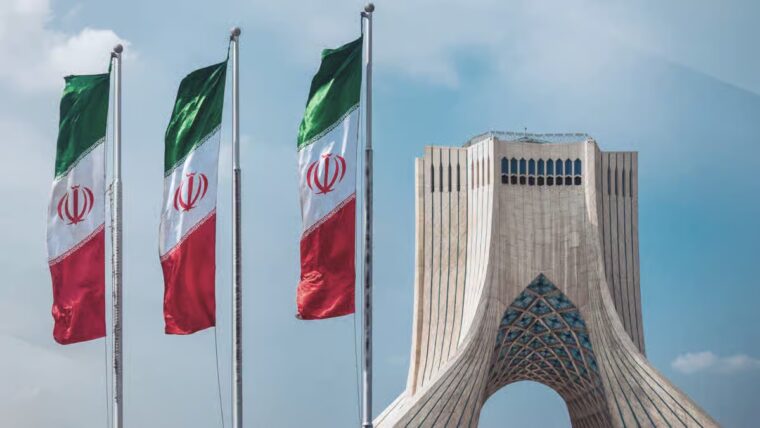
The Wall Street Journal alleged that Iranian financier Babak Zanjani used Binance as part of a secret payment network tied to Iranian regime-linked financing activity, with roughly $850 million in transactions moving through the exchange over 2 years.
The report said the activity was largely routed through a single trading account that remained open as recently as January. It cited internal Binance compliance findings and described Zanjani, an Iranian national who calls himself an “antisanction” operator, as the person running the network.
According to the report, Zanjani’s allies, including a sister, a romantic partner, and a director of his company, operated additional accounts that were accessed from the same devices. Binance investigators flagged that pattern internally, the WSJ reported.
The allegations place Binance back under scrutiny over sanctions controls, account monitoring, and the handling of politically sensitive flows. They also raise a wider question for the crypto industry: how exchanges separate direct platform activity from broader blockchain transactions that may involve the same wallets, counterparties, or off-platform networks.
How Did Binance Respond?
Binance CEO Richard Teng rejected the report on X, calling the WSJ’s reporting “fundamentally inaccurate.”
Teng said the transactions cited by the newspaper occurred before the individuals involved were sanctioned. He also said Binance had already investigated the activity before the WSJ contacted the company and had provided those facts to the newspaper before publication.
A Binance spokesperson separately told The Block that the exchange “did not permit any transactions with sanctioned individuals” and argued that the WSJ “materially overstates Binance’s role” by conflating wider blockchain activity with direct Binance platform flows. The spokesperson said those flows include deposits, withdrawals, trading activity, account turnover, and broader network-level volumes.
“Binance has zero tolerance for illicit activity,” Teng wrote.
Investor Takeaway
The dispute turns on attribution. For investors and counterparties, the key issue is whether alleged Iran-linked activity represents direct exchange exposure, broader blockchain movement, or a mix of both. That distinction affects compliance risk, legal exposure, and the way regulators assess exchange controls.
Why Does This Matter for Binance?
The report lands while Binance’s defamation lawsuit against the WSJ remains active. The exchange sued the newspaper in March over earlier reporting on Iran-linked flows and the alleged firing of internal compliance investigators, saying those claims were false.
The latest article adds pressure to an already sensitive legal and regulatory backdrop. Binance has spent the period after its 2023 guilty plea trying to rebuild its compliance standing under external monitoring. Any allegation tied to Iran, sanctions evasion, or military financing cuts directly against that effort.
The U.S. Department of Justice has also been investigating whether Iran used Binance to evade U.S. sanctions. In May, the U.S. Treasury privately demanded that Binance comply with the independent monitoring program tied to its 2023 guilty plea, citing fresh reports that more than $1 billion allegedly passed through the exchange to Iran-linked entities in 2024 and 2025.
That puts Binance in a difficult position. The exchange is arguing that the WSJ overstated its role and mischaracterized the timing and nature of the transactions. Regulators, however, are likely to focus on whether the exchange had sufficient controls to detect related accounts, shared device access, account turnover, and possible attempts to route activity through associates.
What Are the Wider Market Implications?
The case shows how sanctions risk has become one of the hardest compliance problems for global crypto exchanges. Unlike traditional banking, blockchain activity can involve direct platform flows, wallet-to-wallet transfers, exchange deposits, withdrawals, and transactions across outside networks. That makes attribution difficult and gives both exchanges and regulators room to dispute how exposure should be measured.
For large exchanges, the risk is no longer limited to whether a sanctioned person held an account. Regulators also examine related parties, shared devices, linked wallets, indirect flows, timing of sanctions designations, and whether internal alerts were handled quickly enough. That creates a higher standard for firms serving global users in politically sensitive markets.
For institutional clients, the immediate issue is counterparty confidence. Binance remains one of the largest crypto exchanges by trading activity, but repeated sanctions-related allegations can keep compliance risk high for banks, market makers, asset managers, and payment partners evaluating exposure to the platform.
The dispute also reinforces a broader market trend: crypto exchanges are being judged less by trading scale and more by the strength of their compliance systems. In a market where regulators are linking digital asset flows to sanctions, national security, and illicit finance, the ability to document account controls may matter as much as liquidity.
