

Why Is Warren Challenging the OCC’s Crypto Charter Approvals?
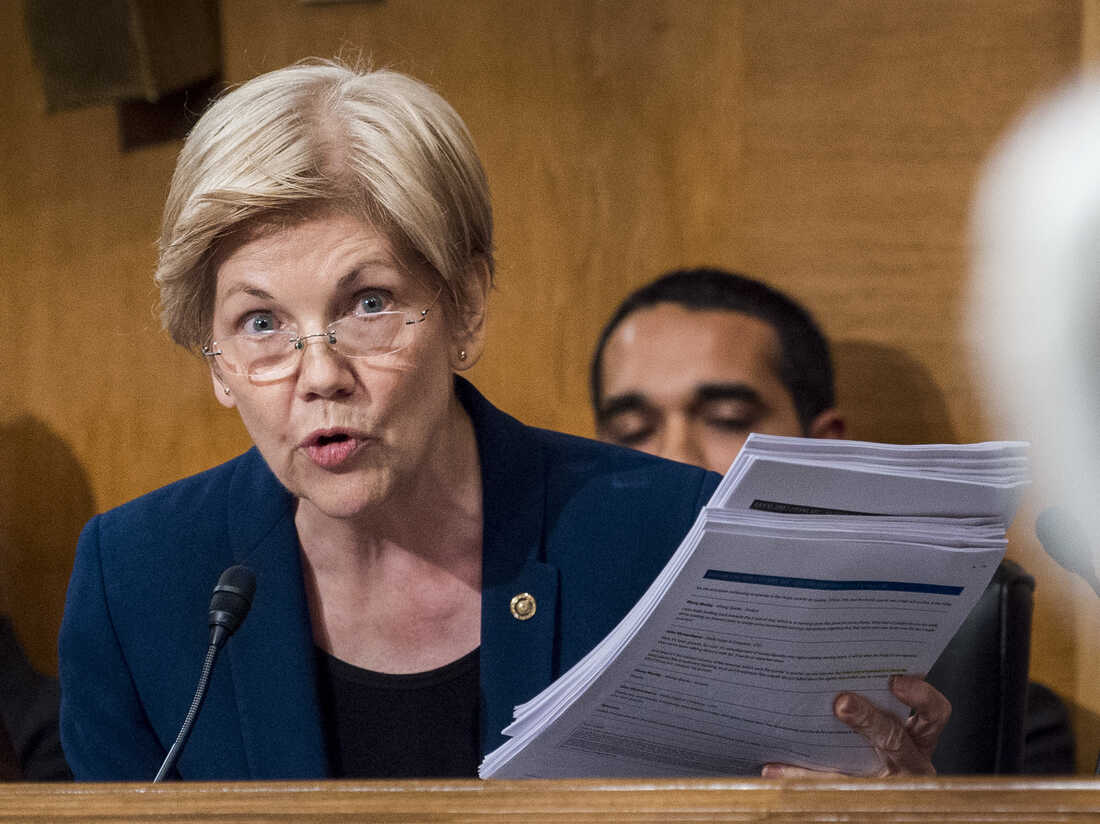
U.S. Senator Elizabeth Warren has accused the Office of the Comptroller of the Currency of improperly granting national trust charters to crypto firms that she says do not qualify under the National Bank Act, raising a new challenge to the federal pathway digital asset companies are using to enter regulated financial services.
In a letter dated May 18, Warren said Comptroller of the Currency Jonathan Gould had approved at least 9 national trust charters for crypto companies since December 2025. She argued that the companies plan to engage in activities that exceed the limited functions allowed under the law for national trust banks.
“(S)ince December 2025, you have approved at least nine national trust charters for crypto companies that intend to engage in activities that appear to go far beyond the narrow set of activities permitted by law. These companies are effectively crypto banks that want to evade the fundamental safeguards and obligations that come with being a bank,” Warren said.
The letter names several digital asset and financial technology firms that have received approvals or conditional approvals, including Ripple, Circle, Paxos, Fidelity, BitGo and Coinbase. The OCC granted conditional approvals late last year to an initial group of 5 firms seeking federal charters to operate as trust banks, and has since approved additional applications from crypto-linked companies including Stripe subsidiary Bridge, Coinbase and Crypto.com.
What Do National Trust Charters Allow Crypto Firms to Do?
National trust charters do not allow firms to take FDIC-insured deposits or conduct traditional commercial lending. That distinction is central to the OCC’s argument for treating trust banks differently from full-service national banks.
For crypto firms, however, the charter can still carry major strategic value. It offers a federal supervisory structure, can reduce dependence on state-by-state licensing, and may support business lines linked to custody, stablecoins and digital asset settlement. Circle’s conditionally approved application, for example, is tied to a new entity named First National Digital Currency Bank.
The charters may also help companies operating stablecoin businesses under the GENIUS Act framework passed into law last summer. That connection makes the OCC approvals more than a licensing issue. They sit at the center of a broader fight over whether crypto firms should be treated as limited-purpose trust companies, payment firms, custody providers or bank-like institutions subject to tougher safeguards.
Investor Takeaway
The dispute raises policy risk for crypto firms seeking federal trust charters. The approvals give firms a clearer regulatory route, but Warren’s challenge shows that the legal status of these charters may remain politically contested.
Why Are Banks and Lawmakers Concerned?
Warren’s letter echoes concerns already raised by the banking industry. In February, the American Bankers Association urged the OCC to slow its approval of national bank charters for crypto firms, citing unresolved risks around receivership protocols and the lack of finalized federal oversight.
The core concern is regulatory arbitrage. Banks argue that crypto firms could use trust charters to gain some advantages of federal banking status without taking on the full obligations that apply to insured depository institutions. Warren made the same point in her letter, warning that the approvals could weaken consumer safeguards and blur the separation between banking and commerce.
“Your decision to facilitate this regulatory arbitrage not only conflicts with federal law, it also poses serious risks to consumers, the safety and soundness of the banking system, and the separation of banking and commerce,” Warren said.
She also argued that many of the firms’ business plans do not appear centered on traditional fiduciary trust activities. “Many of the business plans do not include specific fiduciary trust activities and none imply that bona fide fiduciary trust activities would be the primary business of the trust company,” Warren said.
What Are the Stakes for Crypto Firms?
The immediate risk for firms such as Ripple, Circle, Paxos, BitGo, Coinbase and others is not that existing approvals are automatically reversed. The larger risk is that the OCC’s chartering approach becomes subject to congressional scrutiny, legal challenge or tighter supervisory conditions.
For stablecoin issuers and custody providers, that uncertainty matters. A national trust charter can support institutional trust, simplify operating structures and help firms present themselves as regulated financial infrastructure. If lawmakers argue that the OCC is exceeding its authority, those advantages could become harder to rely on.
The dispute also shows how crypto regulation in the United States is moving through several tracks at once. Congress has passed a stablecoin framework, regulators are processing charter applications, and major firms are trying to build federally supervised entities. At the same time, political opposition remains strong over whether crypto companies should be allowed deeper access to the banking system without meeting bank-level requirements.
Warren, the Ranking Member of the Senate Banking, Housing, and Urban Affairs Committee, is likely to keep pressure on the OCC as more applications move through the agency. For investors and operators, the message is clear: federal charters may reduce some licensing uncertainty, but they do not remove political risk from crypto’s push into regulated finance.
