

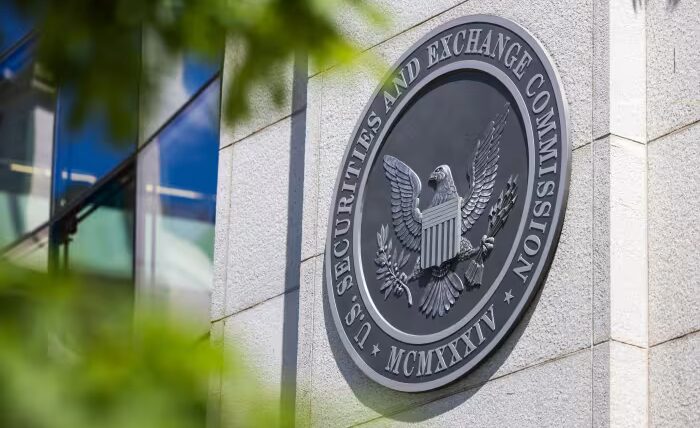
In a stunning departure from his previous “regulation by enforcement” stance, SEC Chair Gary Gensler delivered a landmark speech before the Senate Banking Committee on May 3, 2026, admitting that the existing U.S. legal framework can no longer adapt to the rapid development of the crypto industry. For years, the SEC maintained that the Howey Test, a 1946 Supreme Court standard, was sufficient to categorize the vast majority of digital assets as securities. However, Gensler’s latest remarks acknowledge that the “technological velocity” of decentralized autonomous organizations (DAOs), liquid staking derivatives, and AI-managed on-chain protocols has created a fundamental mismatch that traditional litigation can no longer bridge. This admission marks the most significant pivot in U.S. securities policy in a generation, signaling an end to the era of attempting to fit “square peg” digital assets into “round hole” legacy statutes.
The Failure of the “Compliance via Enforcement” Model
Gensler’s admission follows a string of high-profile legal setbacks for the agency in 2025 and early 2026, where federal judges increasingly ruled that the “investment contract” definition was being stretched beyond its intended limits. The Chair noted that the sheer scale of the digital asset market—now exceeding $4.5 trillion—requires a “bespoke, statutory foundation” that the SEC cannot create on its own through administrative rulemaking. He specifically highlighted that the “disintermediation” inherent in DeFi means there is often no central “issuer” to provide the disclosures required by the Securities Act of 1933. By acknowledging these limitations, Gensler is effectively handing the baton to Congress, urging the immediate passage of a comprehensive legislative package that defines a new asset class: the “Digital Investment Asset,” which would provide the clarity the industry has demanded.
Paving the Way for the 2026 Crypto Reform Act
The Chair’s speech is widely seen as a tactical move to influence the upcoming 2026 Crypto Reform Act, currently being debated in the House. By admitting the current framework’s obsolescence, Gensler is seeking to ensure that the SEC retains a seat at the table in defining the “guardrails” of the new system. He proposed a tripartite oversight model where the SEC handles “investment-intent” tokens, the CFTC manages “utility-intent” commodities, and a new self-regulatory organization (SRO) oversees technical audits for smart contracts. This shift away from the “Howey-or-nothing” approach provides the market with the first real hope for a “Safe Harbor” provision, allowing developers to launch projects without the constant threat of retroactive lawsuits. As the global financial landscape becomes increasingly tokenized, Gensler’s pivot reflects a pragmatic realization: to protect investors in 2026, the regulator must stop fighting the technology and start helping to write the new rules of the digital road, ensuring that the United States remains a competitive hub for financial innovation while maintaining the integrity of its capital markets. This evolution from rigid enforcement to collaborative legislation marks the beginning of a stabilized, regulated future for the entire digital asset ecosystem.
