

How Is Drift Structuring Its Recovery After the Exploit?
Drift Protocol has secured a proposed recovery package of up to $127.5 million from Tether as it moves to compensate users following its April 1 exploit and prepare for a relaunch. The Solana-based trading platform outlined the plan in a recovery update, describing a mix of capital support and ongoing liquidity backing.
The package includes a $100 million revenue-linked credit facility, alongside ecosystem grants and loans to market makers. An additional $20 million from other partners is expected to support the recovery effort, with funds directed toward a dedicated pool for affected users.
Drift said the recovery pool is designed to address roughly $295 million in outstanding user losses over time, with repayments tied to exchange revenue and any recovered assets. To distribute claims, the protocol plans to issue a separate recovery token representing a claim on the pool, allowing users to access liquidity before full repayment.
Why Is Drift Switching to USDT for Its Relaunch?
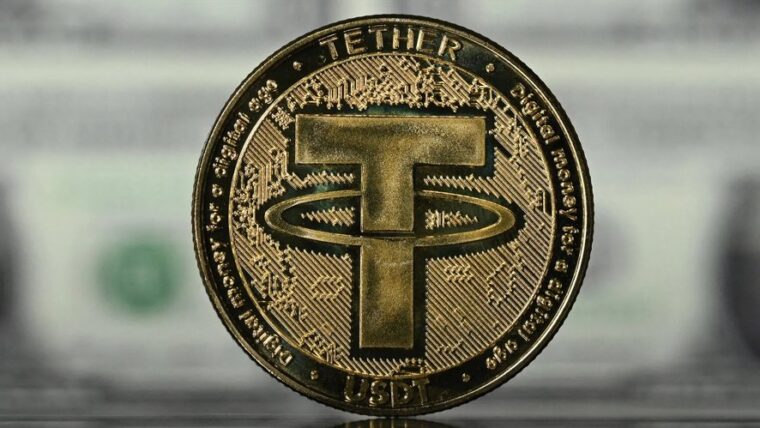
As part of the relaunch, Drift will move its settlement layer from USDC to USDT, marking a structural change in how the platform operates. Tether will provide a market-making support facility to help ensure liquidity at launch, linking the recovery plan directly to USDT-based trading flows.
The shift follows earlier tensions during the incident, when blockchain investigator ZachXBT criticized Circle for not freezing USDC tied to the exploit quickly enough. Circle later defended its response, with CEO Jeremy Allaire pointing to a “moral quandary” in intervening under such circumstances.
The transition to USDT aligns Drift more closely with a single liquidity provider, potentially simplifying operations but increasing reliance on Tether’s ecosystem for trading depth and stability.
Investor Takeaway
What Happened in the $280 Million Exploit?
The recovery plan follows one of the largest DeFi exploits on Solana this year. Drift initially disclosed losses of at least $200 million, later revising the figure to around $280 million after further analysis.
A detailed breakdown showed nearly $296 million in assets were withdrawn across multiple tokens, with the largest share tied to the JLP liquidity pool. The breach was linked to a sophisticated administrative takeover, which the protocol described as part of a months-long social engineering operation involving suspected North Korean actors.
Drift said it is working with law enforcement and blockchain forensics firms to trace funds, with any recovered assets expected to be returned to the recovery pool.
Investor Takeaway
How Is Drift Rebuilding Its Security Model?
Alongside the financial package, Drift outlined a full overhaul of its security framework ahead of relaunch. The platform will require two independent audits and introduce tighter controls around key management and administrative access.
Changes include a new multisignature structure and enforced delays on critical actions, aimed at reducing the risk of unauthorized control. These measures reflect the nature of the exploit, which involved privileged access rather than a simple smart contract vulnerability.
The protocol also confirmed that its insurance fund, used to cover trading-related losses, was not affected by the incident and remains intact.
The relaunch places Drift in a position where both technical resilience and sustained trading activity will determine the pace of recovery and user confidence.
