

Why Is CME Introducing Round-the-Clock Crypto Trading?
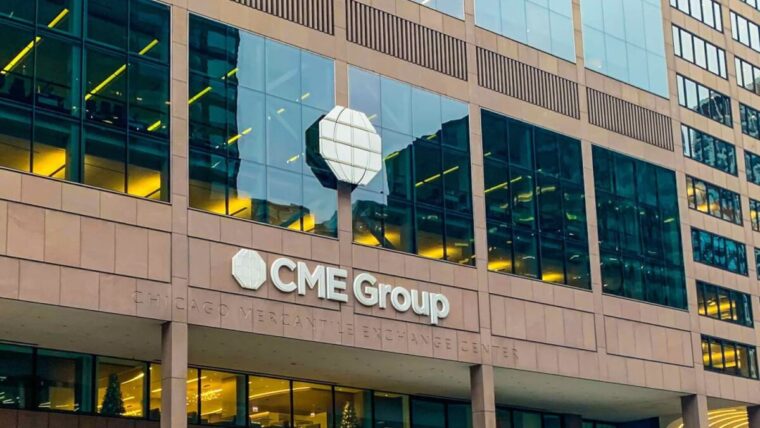
CME Group will make its cryptocurrency futures and options products available for round-the-clock trading starting May 29, extending access beyond traditional market hours. The move brings the largest regulated derivatives exchange closer to the continuous trading model already standard across crypto-native platforms.
The shift reflects growing demand from institutional participants who operate across global time zones and require uninterrupted access to manage risk and exposure. Crypto markets trade continuously, and the mismatch between asset activity and exchange hours has been a structural limitation for regulated venues.
Many crypto-native derivatives exchanges, including Binance Futures, already operate on a 24/7 basis. Coinbase Derivatives has also expanded non-stop trading for crypto futures, including perpetual-style contracts, as regulated platforms move to align with the underlying market structure.
Tim McCourt, CME’s global head of equities, previously said “not all markets lend themselves to operating 24/7,” despite the clear demand for “around-the-clock cryptocurrency trading.”
How Does This Fit Into Broader Market Structure Changes?
The introduction of continuous trading is part of a wider realignment between traditional financial infrastructure and digital asset markets. Regulated exchanges are adapting to a system where liquidity, price discovery, and volatility operate without interruption.
For some venues, crypto serves as a testing ground for whether extended trading hours could apply to other asset classes. The idea remains debated, particularly given differences in liquidity profiles and market participation between crypto and traditional instruments.
At the same time, institutional interest in tokenization continues to build. Larry Fink, CEO of BlackRock, has repeatedly stated that most asset classes could eventually be tokenized, reinforcing the view that digital infrastructure will increasingly underpin global markets.
Investor Takeaway
What New Products Is CME Adding to Its Crypto Suite?
Alongside expanded trading hours, CME Group is broadening its crypto derivatives offering with new futures contracts tied to Avalanche (AVAX) and Sui (SUI), expected to launch early next month.
The contracts will include both standard and micro sizes, allowing participants to trade 5,000 AVAX or 500 AVAX, and 50,000 SUI or 5,000 SUI. This structure mirrors CME’s approach across other crypto products, offering flexibility for both large and smaller institutional allocations.
“Our new micro- and larger-sized Avalanche and Sui futures will provide clients with greater choice, enhanced flexibility and more capital efficiencies across our deeply liquid, regulated Crypto derivatives complex,” said Giovanni Vicioso, CME Group Global Head of Cryptocurrency Products.
The additions follow earlier listings for assets such as Cardano, Chainlink, and Stellar, as CME continues to expand coverage across the digital asset market.
Investor Takeaway
What Does This Mean for Institutional Crypto Adoption?
CME’s crypto suite now provides exposure to more than 75% of total market capitalization, including bitcoin, ether, solana, XRP, cardano, chainlink, and stellar. The exchange reported average daily open interest of nearly $25 billion in 2025, reflecting steady growth in institutional engagement.
The firm is also exploring the use of digital assets as collateral within its ecosystem, following regulatory acceptance of certain cryptocurrencies in derivatives markets. This could further align traditional clearing systems with crypto-native capital structures.
At the same time, competition is intensifying. Crypto-native exchanges such as Binance, Bybit, OKX, and decentralized platforms like Hyperliquid continue to offer uninterrupted trading and high leverage, while also exploring integration with traditional financial products such as equities.
The convergence between these models suggests that the next phase of competition will center on execution quality, capital efficiency, and regulatory alignment rather than access alone.
